If you received an Immediate Roadside Prohibition in Vernon, Kelowna, or anywhere in the Okanagan, the clock is already running. You have 7 days to apply for a review with RoadSafetyBC. Julian Van Der Walle reviews every IRP from the ground up – the demand, the device, the procedure – and challenges what should not stand.
An Immediate Roadside Prohibition under BC’s Motor Vehicle Act takes effect the second the officer hands you the notice. There are three IRP types in BC: a 24-hour prohibition for drug or alcohol presence, a 3-day Warn for a result in the warn range, and a 90-day Fail for a result over .08 or a refusal. Each one comes with vehicle impoundment, financial penalties, and a tight review window. Julian Van Der Walle prepares and files IRP reviews with RoadSafetyBC across the Okanagan, Shuswap, and Kootenays.
Issued when an approved screening device registers a Fail (BAC over 80mg). Results in 90-day driving prohibition, 30-day vehicle impoundment, $500 penalty, mandatory Responsible Driver Program referral, and ICBC driver risk premium surcharges. This is the most severe administrative prohibition.
Issued when a screening device registers a Warn (BAC between 50-80mg). First offence results in a 24-hour prohibition. Second offence within 5 years triggers a 3-day prohibition with 3-day vehicle impound and $200 penalty. Third triggers 7-day prohibition with 7-day impound.
Issued when a Drug Recognition Expert (DRE) evaluation or Standardized Field Sobriety Test (SFST) indicates drug impairment. Results in 90-day prohibition identical to an alcohol Fail IRP. These are increasingly common as police training in drug impairment detection expands.
An IRP is an administrative penalty, not a criminal charge. However, you can receive both an IRP and a criminal impaired driving charge from the same incident. The IRP takes effect immediately while the criminal matter proceeds through court separately.
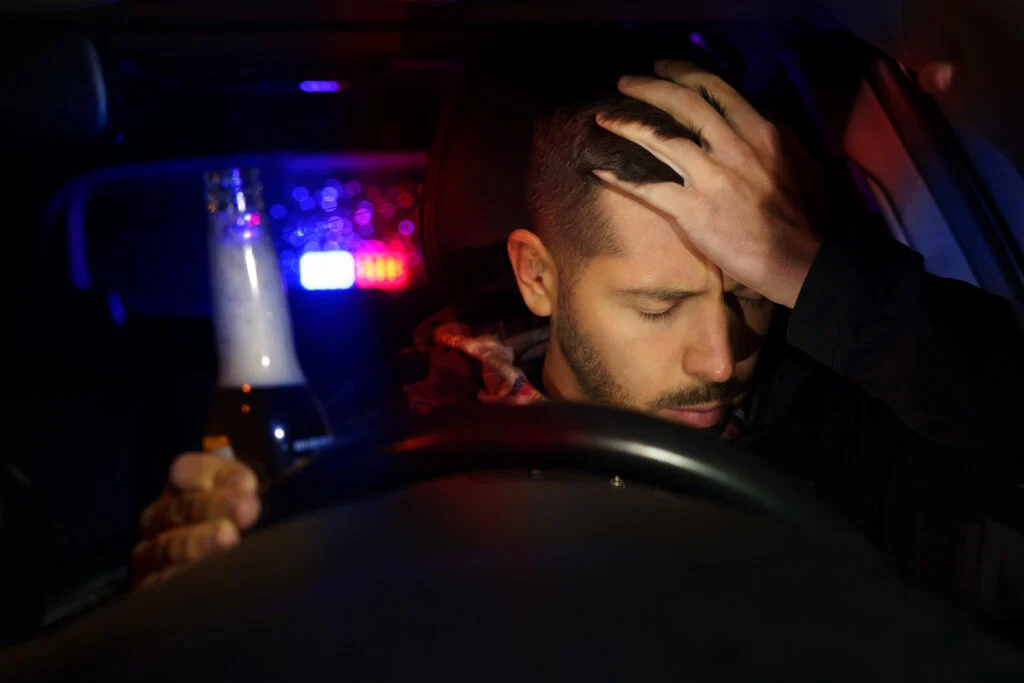
An IRP is not a court charge – it is an administrative penalty issued by police under the Motor Vehicle Act. Your licence is suspended on the spot, your vehicle is impounded, and you face thousands of dollars in penalties and ICBC surcharges. Julian Van Der Walle has built his practice around both the administrative review process and the criminal law that often runs alongside it.
IRP reviews are decided by Driver License Adjudication at RoadSafetyBC, not by a judge in court. The review process is paper-based and runs on strict timelines: you must apply within 7 days of receiving the IRP, and the hearing typically takes place within 21 days. Julian prepares written submissions that challenge the procedural and evidentiary basis of the prohibition – whether the Approved Screening Device was properly calibrated, whether the officer had the grounds to demand a sample, whether the right to a second test was respected, and whether the officer followed every step the legislation requires.
Julian handles IRP reviews for drivers across Vernon, Kelowna, Salmon Arm, Kamloops, and the Kootenays. He also defends the separate criminal impaired driving charges that frequently accompany a 90-day Fail IRP.
Julian understands the RoadSafetyBC review process inside and out. He identifies procedural errors, screening device issues, and officer conduct problems that can result in your prohibition being revoked and your licence reinstated.
IRPs and criminal charges often arise from the same incident. Julian handles both the administrative review and the criminal case, ensuring your defence strategy is coordinated across both proceedings.
The 7-day review deadline means every hour counts. Julian prioritizes IRP cases, reviews the disclosure immediately, and submits the application before the deadline expires. Contact him as soon as you receive the prohibition.
The financial and practical impact of a 90-day Fail IRP is substantial. Acting on the review within the 7-day window is what gives a driver the best chance of having the prohibition revoked before these consequences fully take effect.
Immediate consequences of a 90-day Fail IRP:
Total estimated cost of a single Fail IRP: $5,000-8,000+ in direct penalties, fees, and insurance surcharges, plus 90 days without a licence.
If a criminal impaired driving charge is also laid – which happens often when there is a complainant, a collision, or a refusal – the exposure escalates to include a federal driving prohibition, a criminal record, and in some cases jail. Julian reviews every aspect of both the administrative and criminal proceedings.
IRP reviews succeed when the evidence shows police did not follow the procedure the legislation requires. Julian examines every aspect of the roadside encounter, including how the officer documented the file.
Approved Screening Device errors. The two devices BC police use at roadside are the Drager Alcotest 5000 (older units) and the Drager Alcotest 7510. Each device must be calibrated within its certification window, operated by a trained officer, and used within the temperature and timing limits set by the manufacturer. Vernon RCMP and Kelowna RCMP both use these instruments, and the maintenance logs are disclosable. If the device was out of certification or the calibration record is incomplete, the result may not be reliable.
Improper demand. Before demanding a roadside sample, the officer must form reasonable suspicion that the driver has alcohol or drugs in their body. A bare smell of alcohol, an admission of “one beer,” or driving conduct that has another explanation may not meet that threshold. If the demand was not lawfully made, the prohibition can be revoked.
Right to a second test. Under the IRP scheme, the driver has the right to request a second test on a different Approved Screening Device. If police denied that right or failed to inform the driver of it, that alone is grounds for revocation.
Procedural errors. The officer must serve the IRP notice correctly, complete the Report to Superintendent within the required timeframe, and follow every step set out in the Motor Vehicle Act. Julian reviews the disclosure for any deviation from the required procedure.
Medical conditions and dietary factors. Certain medical conditions (diabetes, GERD), medications, and recent food intake can produce false readings on Approved Screening Devices. When relevant, Julian retains medical evidence to put before Driver License Adjudication.
Every case begins with a private, judgment-free consultation. We review the details of your charges, examine disclosure, and discuss your version of events. You’ll receive clear, straightforward guidance about your legal position, potential outcomes, and the best path forward so you can make informed decisions.
No two cases are the same, which is why your defence is carefully tailored to your circumstances. We analyze evidence, identify weaknesses in the Crown’s case, explore Charter issues, and develop a focused legal strategy designed to protect your rights and achieve the strongest possible result.
From negotiations to trial, your case is handled with preparation and determination. We advocate firmly on your behalf, challenge evidence where appropriate, and pursue every available legal avenue. Throughout the process, you remain informed, supported, and confident in the defence being presented.
Or fill out the form below to receive a free and confidential initial consultation.
If you have been criminally charged and are not sure what to do, you need to get competent legal representation right away.
© 2026 Vernon Criminal Defence | All Rights Reserved