A DUI charge in Vernon, Kelowna or anywhere along Highway 97 usually brings two problems at once, a criminal charge under Section 320.14 of the Criminal Code and an Immediate Roadside Prohibition with only 7 days to apply for a review. As an impaired driving lawyer Vernon drivers call after a roadside stop, Julian Van Der Walle defends both sides of the file. The first conversation is free.
Impaired driving in BC is charged under Section 320.14 of the Criminal Code in four main ways. Impaired operation by alcohol or a drug under 320.14(1)(a), a blood alcohol concentration at or over 80 mg per 100 mL under 320.14(1)(b), a prohibited blood drug concentration under 320.14(1)(c) and (d), and refusing a breath or blood demand under 320.15. Each one has its own evidence and its own defences. Julian represents drivers charged in Vernon, Kelowna, Penticton, Salmon Arm and the Kootenays.
Driving while your ability is impaired to any degree by alcohol, cannabis or another drug. Crown relies on the officer's observations, field sobriety tests and sometimes a drug recognition evaluation, and has to prove impairment beyond a reasonable doubt. A first offence carries a minimum $1,000 fine.
Having a blood alcohol concentration at or above 80 mg per 100 mL within two hours of driving. It is proven with the roadside screening device and the breath tests taken at the RCMP detachment. The minimum fine rises with the reading, from $1,000 up to $2,000 at 160 mg or more.
Refusing or failing to comply with a lawful demand for a breath, blood or oral fluid sample without a reasonable excuse. Refusal carries a higher minimum fine than a low over 80 reading, at $2,000 on a first offence, so the demand itself is the first thing to challenge.
Driving in a way that is dangerous to the public, often charged alongside impaired driving when there is evidence about how the vehicle was being driven. The maximum is 10 years, rising to 14 years where someone is hurt and life where someone is killed.
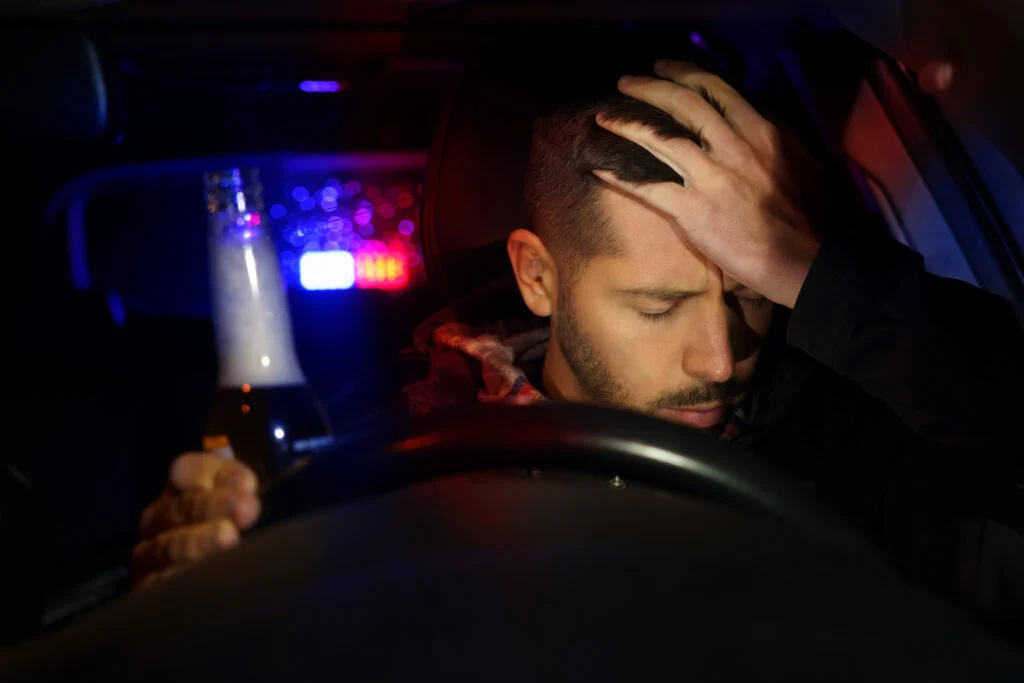
Most impaired driving files in BC run on two tracks at the same time. The criminal track runs through the Vernon Law Courts or the Kelowna Law Courts under the Criminal Code. The administrative track runs through RoadSafetyBC under the Motor Vehicle Act and is where the Immediate Roadside Prohibition you were handed at the roadside gets decided. Each track has its own deadlines, its own evidence and its own defences.
The administrative side moves fast. You have 7 days from being served to apply for an IRP review. The criminal side moves slowly and usually takes 6 to 14 months from charge to resolution. Defending one and ignoring the other leaves half the file unprotected, so Julian Van Der Walle runs both as one plan, protecting your licence on the administrative side and your record on the criminal side.
On the criminal side he defends impaired operation by alcohol or drugs, over 80, refusal, dangerous operation under Section 320.13, and the bodily harm and death charges under Section 320.14(2) and (3).
Julian is a DUI lawyer for drivers across the Interior, not just Vernon. A checkstop on Highway 97 through Kelowna or West Kelowna sends the criminal charge to the Kelowna Law Courts, a stop in the South Okanagan usually ends up at the Penticton Law Courts, and charges from the Trans-Canada and the Coquihalla are heard at the Kamloops Law Courts. Salmon Arm and Shuswap files are handled the same way, close to home.
The defence is the same wherever the stop happened. Test the reason for the stop, the screening device demand, the right to counsel at the detachment and the breath test records. If you were charged in Kelowna, see Julian’s page on criminal defence in Kelowna, and for the roadside side of the file read about IRP reviews in BC.
Julian goes through the maintenance records, calibration logs, operator qualifications and the timing between breath samples. Mistakes in how the breath tests were taken can make the readings inadmissible at trial.
Julian handles every impaired driving file himself, from the first call through to the result. You deal with your lawyer directly the whole way, not a junior associate, and he knows your file when he walks into court.
Years in the Vernon Law Courts mean Julian knows how local RCMP run roadside stops and detachment breath testing, and how Crown and the courts in the Okanagan tend to handle impaired files.
The 2018 changes to the Criminal Code under Bill C-46 set mandatory minimum penalties for impaired driving. They climb with every new offence and apply whichever Section 320.14 charge Crown proceeds on.
First offence.
Second offence.
Third or later offence.
Bodily harm or death. Under Section 320.14(2) and (3) the maximums jump to 14 years for causing bodily harm and life imprisonment for causing death.
Because refusal carries a $2,000 minimum on its own, refusing to blow rarely helps. The better question is whether the demand was lawful in the first place.
BC impaired driving files depend on Crown proving that every step was done properly. The defence is built from the disclosure, meaning the officer’s notes, the screening device records, the Intoxilyzer printouts and the video from the detachment.
Section 9, arbitrary detention. The stop has to be lawful from start to finish. A stop that runs past its original purpose, a detention without grounds or a roadblock that was not properly set up can lead to the evidence being excluded under Section 24(2) of the Charter.
Section 10(b), right to counsel. Police have to tell you about your right to a lawyer and give you a real chance to call one before the breath tests at the detachment. When that call is not facilitated or gets cut short, the breath readings are often excluded.
The approved screening device. The roadside device has to be an approved model, properly calibrated and operated by a trained officer within its limits. Calibration logs and certifications are disclosable, and gaps in them can undermine the demand that followed.
The Intoxilyzer 8000C. RCMP detachments in BC use the Intoxilyzer 8000C for the breath samples that go to court. The time between the two samples, the observation period, and the maintenance records are all open to challenge.
Section 8, the demand itself. Crown has to show the demand for breath, blood or oral fluid was lawful. A screening demand needs reasonable suspicion and an evidentiary demand needs reasonable grounds, and without them the evidence can be excluded.
Delay. Late or missing disclosure can support a Section 11(b) application. R v Jordan sets presumptive ceilings of 18 months in Provincial Court and 30 months in superior court, and impaired files do get stayed for delay in BC.
It starts with a private consultation. Julian goes over the stop, the charge, any IRP paperwork and your side of what happened, then gives you a straight answer on where you stand and what your deadlines are.
Julian requests full disclosure, works through the notes, the screening device and breath test records and the detachment video, and looks for Charter breaches and gaps in Crown's case before settling on a strategy.
From the IRP review to resolution talks with Crown or a full trial, Julian handles every step himself and keeps you in the loop, so you always know what is happening and why.
Looking for a DUI lawyer in Vernon or an impaired driving lawyer Vernon courts already know? Call 1-877-212-9645 or fill out the form below for a free, confidential consultation.
If you have been criminally charged and are not sure what to do, you need to get competent legal representation right away.
© 2026 Vernon Criminal Defence | All Rights Reserved